Kew Bridge to Gunnersbury waste removal route and access tips
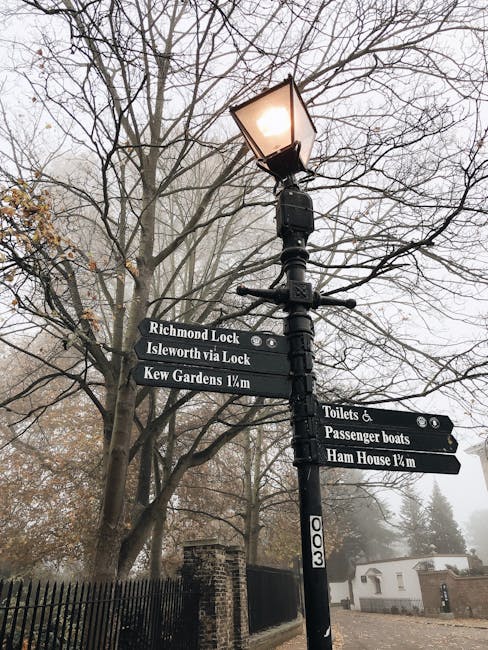
If you're planning a collection between Kew Bridge and Gunnersbury, the route itself can make or break the job. A short journey on the map can still be awkward in real life: tight turns, parked cars, busier junctions, low patience when the clock is ticking, and the usual London "it looked easy on paper" problem. This guide to the Kew Bridge to Gunnersbury waste removal route and access tips is here to help you avoid those headaches, move waste efficiently, and get the job done with less stress.
Whether you're clearing a flat, an office, a garden, or builder's rubble, access matters. The better you understand loading points, road layout, parking restrictions, and the practical flow from one side of the journey to the other, the smoother the collection. And yes, smoother usually means quicker, safer, and a lot less expensive-feeling, even when the job is straightforward.
Below, you'll find route planning advice, common access issues, step-by-step guidance, and a realistic checklist you can use before the van arrives. If you're comparing services too, you may also find it useful to look at our waste removal service, plus related help for flat clearance, house clearance, office clearance, and recycling and sustainability.
Why Kew Bridge to Gunnersbury waste removal route and access tips Matters
Waste removal is rarely just about lifting items into a vehicle. In local work, route planning is part of the service. Between Kew Bridge and Gunnersbury, small details can create delays: a road that feels wide enough until a parked van narrows it, an awkward left turn when traffic is flowing, or a loading bay that's already occupied. To be fair, most collections don't go wrong because of the waste itself. They go wrong because access was assumed rather than checked.
This matters for several reasons. First, a clear route saves time. Second, it reduces the chance of disruption to neighbours, residents, or building managers. Third, it helps the crew position the vehicle properly, which makes lifting safer and less tiring. If you've ever stood on a pavement at 8am trying to decide whether a mattress will fit through a doorway without taking out a lamp, you'll know how useful good planning is.
The Kew Bridge to Gunnersbury corridor also includes mixed property types. You've got homes, flats, commercial premises, and redevelopment spots, all with different access patterns. So the right approach for a small household clear-out is not always the right approach for builders' waste or bulky office furniture. That's why route and access tips are not just a nice extra. They're part of getting the job done properly.
Expert summary: the shortest route is not always the best route. The best route is the one that lets the vehicle stop legally, load safely, and leave without unnecessary backtracking or parking trouble.
How Kew Bridge to Gunnersbury waste removal route and access tips Works
At a practical level, route planning starts before anyone gets in the van. A good collection is usually shaped by four things: where the waste is, how it can be reached, where the vehicle can stop, and how quickly items can be moved from property to truck.
1. Starting point and end point
In this context, the "route" is less about a tourist-style journey and more about the working path between collection points around Kew Bridge and Gunnersbury. The emphasis is on access to premises, not scenic driving. A crew may need to approach from one side of a road network, then reposition to allow easier loading or safer exit. That kind of flexibility is useful, especially where side streets are narrow or parking is limited.
2. Access to the property
Access covers the whole chain: gate, driveway, communal entrance, corridor, staircase, lift, loading point, and vehicle position. If any one of those links is awkward, the whole job slows down. For example, a flat above a shop may have easy road access but a tight internal stairwell. A ground-floor office may have a side entrance but no practical stopping place out front. These small realities matter more than people think.
3. Vehicle positioning
The van or truck should be able to park close enough to reduce carrying distance, but not so close that it blocks traffic, pedestrians, or entrances. This is especially important in London, where a few extra metres of carrying can turn a tidy job into a tiring one. A sensible loading position also lowers the risk of scraping walls, dropping items, or creating bottlenecks at the entrance.
4. Sorting waste before loading
Most efficient collections work best when waste is pre-sorted, even loosely. Heavy rubble, mixed builder's waste, furniture, green waste, and general junk each behave differently when loaded. If you're combining waste streams, it helps to know what's going first and what needs more careful handling. One of the easiest wins is simply separating sharp, awkward, or fragile items before the crew arrives.
If the collection involves a specific property type, the service page can help set expectations. For example, a household clear-out may fit better with home clearance or loft clearance, while commercial premises may be better matched to business waste removal.
Key Benefits and Practical Advantages
Good route and access planning sounds basic, but it pays off in ways you feel immediately. The first benefit is efficiency. The closer the vehicle can get to the waste, the faster the collection. That sounds obvious, yet it's the reason jobs that appear similar can take very different amounts of time.
Second, there's safety. Fewer trips, less carrying distance, and cleaner entry points all reduce the chance of accidents. Nobody wants to twist an ankle on a front step while trying to carry a heavy cabinet. It happens. More often than people admit, actually.
Third, there's courtesy. A well-planned route reduces noise, mess, and blocking. That matters in shared buildings and busy streets around the Kew Bridge to Gunnersbury area. Residents and neighbours are much more relaxed when a clearance feels organised rather than improvised.
Fourth, better planning can improve value for money. If a team wastes time looking for access or reloading because the vehicle is badly positioned, the job becomes less efficient. Clear access usually means clearer pricing too, especially where providers quote based on load, labour, and working conditions. For budgeting help, take a look at pricing and quotes.
What better access can change in practice
- Less time spent carrying waste to the vehicle
- Lower risk of damage to property and items
- Reduced disruption to neighbours or building users
- Cleaner handover at the end of the job
- More predictable timing on the day
Who This Is For and When It Makes Sense
This topic is useful for a lot of people, not just homeowners with a spare mattress to move. In fact, the Kew Bridge to Gunnersbury waste removal route and access tips become most valuable when the job is slightly complicated. That's usually when people are least likely to think about route planning until the last minute. Naturally.
You may need this guidance if you're:
- clearing a flat or maisonette with stair access
- removing builder's waste from a refurbishment or repair
- getting rid of furniture that is bulky or heavy
- clearing a garage, loft, or garden before a move
- managing office waste or commercial clearance
- dealing with a property that has restricted parking or shared access
It also makes sense for landlords, letting agents, facilities managers, and tradespeople who need a collection to happen quickly and with minimal fuss. If you're working around tenants, customers, or building schedules, access planning becomes even more important. You don't want a waste collection to collide with school-run traffic or a delivery window. Not ideal, as they say.
For larger domestic jobs, it can help to compare house clearance with furniture disposal so you're not over- or under-scoping the job. Same for gardens and outside areas, where garden clearance can be a better fit than a general waste call-out.
Step-by-Step Guidance
Here's a practical way to plan the route and access before collection day. It keeps things simple, which is often what people need most.
- Identify the waste type. Separate furniture, green waste, builders' debris, and mixed rubbish if possible. Different waste types may need different handling.
- Check access from the property to the street. Look at door widths, stairs, lifts, corridors, gates, and any obstacles like bins or planters.
- Confirm where the vehicle can stop. The best spot is usually the nearest legal and safe loading position, even if it is not directly outside the door.
- Think about traffic and timing. Busy periods can make simple movements awkward, especially near junctions and busier stretches of road.
- Protect the route inside the property. Put down covers if floors are delicate, and clear a path to avoid snagging or scraping.
- Prepare awkward items in advance. Take off loose drawers, fold chairs, and keep smaller items boxed if that makes them easier to carry.
- Flag anything unusual early. Very heavy items, narrow staircases, locked communal entries, or time-restricted access should be mentioned before the day of removal.
- Confirm recycling or disposal preferences. If reuse, recycling, or responsible disposal matters to you, say so up front and check the provider's approach.
A good rule of thumb? If you'd hesitate while carrying it yourself, the crew will want to know about it too.
Expert Tips for Better Results
Small improvements have a surprisingly big effect on collection day. One of the simplest is to stage waste near the exit the evening before, provided it is safe and allowed. This is especially useful for flats and offices where the actual removal path is long. You'll feel the difference in the morning. Quietly, but definitely.
Another helpful tip is to take photos of access points if you're unsure. A picture of a stairwell, alley, or parking setup often explains more than a long message. It helps the crew judge whether they need extra labour, a smaller vehicle, or a different arrival plan.
Keep communal areas clear. In shared buildings, even a narrow strip left for bins or prams can become a sticking point. If you can, tell neighbours or building management what time the removal is happening. A brief heads-up avoids the awkward "who's blocking the landing?" moment.
Also, be realistic about load size. People often underestimate how much space mixed waste occupies, especially when broken items look smaller in pieces. In our experience, a "small pile" can become a serious lift once it's bagged, stacked, and weighed by eye. That's just how it goes.
If you're weighing service types, the right match can save a lot of hassle. A tidy internal clearance may sit well with flat clearance, while a worksite pickup may need builders waste clearance. For anything more office-focused, office clearance can be the cleaner fit.
Common Mistakes to Avoid
Most access problems are preventable. The tricky bit is that they only look minor until the day of the job.
- Assuming the van can park directly outside. In many London streets, that simply isn't realistic.
- Forgetting to mention stairs, lifts, or narrow entries. A few steps can change the whole job.
- Leaving waste scattered across multiple rooms. It slows things down and increases carrying distance.
- Not checking collection timing against local traffic. A five-minute delay can turn into fifteen.
- Mixing hazardous items with general waste. This needs careful handling and should always be flagged early.
- Underestimating bulky items. Wardrobes, sofas, and broken desks are awkward in a way that small items are not.
- Ignoring building rules. Some properties require advance notice, lift protection, or restricted loading windows.
One more thing: don't leave the route to chance because "someone will sort it when they get here". That's usually how jobs become slower, messier, and more expensive than they needed to be.
Tools, Resources and Recommendations
You do not need fancy equipment to prepare well. A few simple tools are enough for most collections. Sturdy gloves, dust sheets, a torch for dim stairwells, and tape or labels for sorting can all help. If the route involves uneven ground, a wheeled trolley can be useful, but only where steps and thresholds allow it.
For larger or recurring jobs, keep a basic access note. It can include:
- gate codes or entry instructions
- parking restrictions or loading points
- floor level and lift availability
- best entrance for collections
- any time restrictions or quiet hours
If the collection is part of an ongoing business operation, you may also want to review business waste removal alongside health and safety policy and insurance and safety. That combination helps set expectations and reduces avoidable risk. If you want to understand how the provider handles site values more broadly, about us is worth a look too.
Law, Compliance, Standards, or Best Practice
When waste removal is involved, it is sensible to keep compliance in mind. You don't need to become an expert overnight, but you should expect responsible handling, safe loading, and lawful disposal. In the UK, the general expectation is that waste is managed carefully, not dumped casually, and that any special or restricted items are treated appropriately.
For domestic customers, the main concern is usually choosing a provider that behaves responsibly and avoids shortcuts. For businesses, there is more to think about: duty of care, site safety, records, and clear handling of mixed waste. If in doubt, ask how the waste will be separated, moved, and processed. A trustworthy operator should be able to answer in plain language.
Best practice also means protecting people on site. That includes keeping paths clear, not overloading carrying teams, and making sure access arrangements do not create hazards for residents or staff. A busy corridor, a wet surface, or a poorly lit stairwell can all become real risks if nobody has thought it through.
It is also sensible to check the provider's public policies before booking. Pages like terms and conditions, payment and security, and complaints procedure help set expectations. You may not read every line, let's face it, but they do show whether the business takes its responsibilities seriously.
Options, Methods, or Comparison Table
Different collection setups suit different properties. The right choice depends on access, load size, and how much lifting is involved.
| Method | Best for | Pros | Watch-outs |
|---|---|---|---|
| Kerbside or nearest safe vehicle access | Small to medium waste loads with easy street access | Fast, efficient, minimal carrying distance | Requires legal stopping space and clear pavement access |
| Inside-to-vehicle manual carry | Flats, offices, and properties without direct loading access | Flexible and often practical in dense streets | More labour, more time, and more chance of awkward turns |
| Staged collection from a single loading point | Larger clearances or multi-room jobs | Organised, tidy, and easier to manage | Needs preparation and clear communication before arrival |
| Specialist clearance for bulky or mixed waste | Furniture, builders' waste, loft, garage, or garden jobs | Better matched to the waste type and property layout | Needs accurate description of access and load conditions |
For many readers, the best option is not the fanciest one. It is the one that fits the site without drama. Drama is overrated, honestly.
Case Study or Real-World Example
A typical job in this corridor might involve a first-floor flat near the route between Kew Bridge and Gunnersbury. The customer has an old sofa, a broken wardrobe, several bags of mixed household waste, and a small pile of miscellaneous bits from a clear-out. On paper, it sounds straightforward.
Then the details show up: a narrow stairwell, a shared entrance, and limited parking on the street outside. If the crew arrives without knowing that, they might spend ten minutes finding a legal stopping point, another few minutes working out the best entry, and then more time carrying items one by one. Nothing disastrous. Just slower, and more tiring.
Now compare that with a well-prepared version of the same job. The customer flags the stairwell width, confirms the nearest loading point, keeps the hallway clear, and separates the heavier items. The crew knows what to expect, the route is clear, and the collection is done in a steady rhythm. Less back-and-forth, fewer pauses, and a calmer finish all round.
That kind of planning sounds boring until you're the one carrying a wardrobe down the stairs. Then it starts to feel very clever indeed.
Practical Checklist
Use this before collection day. It's simple, but it catches a lot of issues.
- Confirm the waste type and approximate volume
- Check all access points from room to street
- Note any stairs, lifts, gates, or tight corners
- Identify the best legal place for the vehicle to stop
- Clear the route of loose items, bins, or trip hazards
- Tell neighbours or building management if needed
- Separate bulky, sharp, or fragile items
- Keep any restricted or special items clearly flagged
- Review pricing, payment, and terms in advance
- Have a contact number ready on the day
If you can tick those boxes, you're already ahead of most rushed bookings.
Conclusion
The real value of Kew Bridge to Gunnersbury waste removal route and access tips is not just route knowledge. It is the confidence that comes from planning the job properly before anyone starts lifting. When access is thought through early, collections are safer, quicker, and far less stressful for everyone involved.
That matters whether you're clearing one bulky item or managing a larger residential or commercial job. A bit of preparation goes a long way, and in a busy part of London, it can make the difference between a smooth morning and a very long one.
If you're ready to organise a collection, it's worth choosing a service that understands access constraints, disposal responsibilities, and the practical realities of local work. The clearer the plan, the easier the day. Simple as that.
Get a free quote today and see how much you can save.
Frequently Asked Questions
What is the best way to plan a waste removal route between Kew Bridge and Gunnersbury?
The best approach is to plan around access, not just distance. Check where the vehicle can stop legally, how far items need to be carried, and whether any stairs, gates, or shared entrances could slow the job down.
Why does access matter so much for waste removal?
Access affects speed, safety, and cost. The easier it is to reach the waste and load it into the vehicle, the less time the job usually takes and the lower the risk of damage or delays.
Can waste be collected from a flat with no lift?
Yes, in many cases it can. The key is to give accurate details about the stairwell, floor level, and item size so the crew can plan the carry properly.
What should I tell the waste removal team before they arrive?
You should tell them the waste type, approximate volume, property access details, parking limitations, and anything unusual such as heavy items, narrow hallways, or restricted entry times.
Is it better to move waste outside before collection day?
Sometimes yes, if it is safe and permitted. Staging waste near the exit can speed things up, but only if it does not block communal spaces or create a security issue.
How do I know whether I need house clearance or furniture disposal?
If you are clearing a whole property or several rooms, house clearance is often the better fit. If the main issue is bulky items such as sofas, beds, or wardrobes, furniture disposal may be more suitable.
What happens if parking is limited near my property?
The crew may need to use the nearest legal loading point and carry items a bit further. That is normal in many London streets, but it helps to mention parking issues in advance.
Are there special considerations for builder's waste?
Yes. Builder's waste is often heavier, dustier, and harder to move than household rubbish. It is best handled with clear access, good sorting, and a proper description of the materials involved.
How can I make a collection faster?
Keep the route clear, group items together, separate awkward pieces, and confirm access details before the day. A small amount of prep can save a surprising amount of time.
Should businesses handle waste removal differently from households?
Usually, yes. Businesses often need a more structured approach because of staff movement, customer access, opening hours, and duty-of-care expectations. Office and commercial collections work best when the plan is agreed in advance.
What if I am not sure how much waste I have?
That is common. A few photos and a rough description are usually enough to start with. If the waste is spread across rooms or includes bulky items, say so rather than guessing too low.
How do I choose a trustworthy waste removal provider?
Look for clear communication, sensible access questions, transparent pricing, and straightforward policies. Pages such as about us, terms and conditions, and recycling and sustainability can help you get a feel for how the company works.