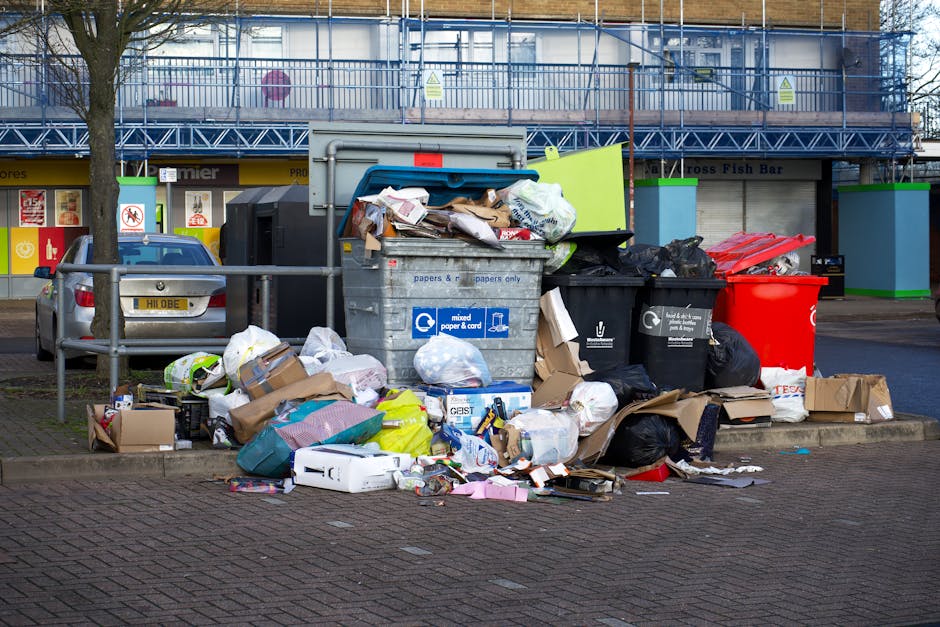
Difficult access rubbish removal for flats in Gunnersbury: a practical guide for awkward stairs, narrow halls and no-lift blocks
If you live in a flat and the rubbish has to come down a narrow staircase, through a shared hallway, or out past a fussy parking restriction, you already know the problem is not the waste itself. It is the access. Difficult access rubbish removal for flats in Gunnersbury is all about clearing items safely, neatly, and without turning your communal area into a muddle. That might mean bulky furniture, old white goods, renovation offcuts, or just a flat that seems to have been designed with zero thought for moving anything bigger than a shopping bag.
The good news? With the right planning, the right lifting approach, and a team that understands access issues, the job becomes much easier. This guide explains how difficult flat clearances work in real life, what to expect, common mistakes to avoid, and how to choose the smartest method for your building in Gunnersbury.
Why Difficult access rubbish removal for flats in Gunnersbury Matters
Flat clearances are rarely straightforward in older or tightly packed London buildings. In Gunnersbury, you may be dealing with period conversions, mansion blocks, purpose-built flats, basement homes, top-floor walk-ups, or properties with limited loading space outside. Add in shared entrances, stairwells that bend sharply, and neighbours who are understandably protective of the common parts, and the job can get fiddly very quickly.
This matters for three simple reasons. First, safety: heavy items carried awkwardly on stairs are a real strain on people and property. Second, time: what looks like a one-hour job can stretch if access has not been assessed properly. Third, respect: the best rubbish removal service keeps the building clean, quiet, and orderly, which matters when you share space with other residents.
There is also a practical local angle. Gunnersbury is busy, and parking near flats can be limited or time-sensitive. If the team arrives without planning for the route, the parking, and the lift situation, you can end up with delays before a single item is moved. That is why experienced flat clearance work is less about muscle and more about method.
If you are dealing with mixed waste from a move, renovation, or inherited flat contents, a broader service like flat clearance or home clearance can often be the better fit than trying to arrange disposal item by item.
How Difficult access rubbish removal for flats in Gunnersbury Works
The process should start with an access assessment. That sounds formal, but in plain English it just means checking how the team will get items out without causing damage or drama. It includes stairs, lift dimensions, doorway widths, corridor turns, external steps, vehicle access, and any building rules around moving furniture or waste through common parts.
In practice, a good clearance usually follows a sequence like this:
- Initial enquiry: You explain what needs removing, where it is located, and what makes the access difficult.
- Photo or video review: Images of staircases, entrances, bulky items, and parking conditions help reduce guesswork.
- Quote and planning: The team estimates labour, vehicle size, and how long the job is likely to take.
- Arrival and route check: On the day, the crew confirms the safest path, protects surfaces if needed, and starts with the hardest items first.
- Careful removal: Items are carried, wheeled, or broken down where appropriate so they can pass through tight spaces safely.
- Sorting and loading: Reusable items, recycling streams, and waste are separated where possible.
- Final sweep: The area is left tidy, with no stray screws, packaging, or dust sitting around.
That may sound obvious, but the detail is where the quality lives. One missed turn on a staircase can chip plaster. One unplanned trolley run can snag a communal carpet. One badly measured wardrobe can make the entire job awkward. Truth be told, the best teams spend as much time thinking as lifting.
For collections involving mixed rubbish, domestic junk, or bulky household waste, it can help to look at broader waste removal options as well, especially if the clearance includes more than just one or two items.
Key Benefits and Practical Advantages
Difficult access clearances are often seen as a headache, but there are some clear benefits to using a service that understands the job properly.
- Less physical strain: Heavy lifting on stairs is where people get hurt. Proper handling reduces that risk.
- Less property damage: Door frames, paintwork, bannisters, and hallway corners stay in better condition.
- Faster decision-making: When the route and item sizes are known in advance, the job moves more smoothly.
- Better neighbour relations: Neat, quiet work in shared buildings avoids complaints before they start.
- More efficient recycling: Items can be separated properly instead of all being thrown into one pile.
- Lower stress for you: You do not need to coordinate several trips, borrow a van, or figure out where each item goes.
There is another advantage people often overlook: confidence. Once you know the clearance will be handled properly, the entire move or declutter project becomes easier to manage. You stop second-guessing every staircase and doorway. That alone is worth something.
For larger furniture, clearance teams may also direct you to furniture clearance or furniture disposal where item type and condition need a slightly different approach.
Who This Is For and When It Makes Sense
This kind of service is a strong fit for anyone living or managing a flat where moving rubbish out is not a simple straight line from room to street. That includes:
- top-floor flats with no lift
- basement flats with steep access or steps at the entrance
- converted houses with tight staircases
- flats with narrow communal hallways
- buildings with awkward parking or loading restrictions
- landlords and letting agents clearing between tenancies
- owners dealing with probate or major downsizing
- tenants who need to leave the property clean and ready
It also makes sense when the waste is not just rubbish, but a mixed load: old furniture, bags of household clutter, broken shelves, boxed items, and a few awkward things that no one wants to carry down a curved staircase at 8.30 in the morning. We have all seen that kind of job. It starts with "just a few bits" and then, somehow, there is a dismantled bed frame, three bags of books, a broken fan, and half a wardrobe.
If the clearance includes end-of-tenancy items, damaged units, or a complete flat emptying, you may also find a broader house clearance or home clearance page useful for understanding what can be handled in one visit.
Step-by-Step Guidance
If you want the smoothest result, treat the job as a small project rather than a last-minute lift-and-go. Here is a sensible approach.
1. Walk the route before the team arrives
Look at the exact route from the flat to the vehicle. Measure the obvious pinch points if needed. Pay attention to handrails, turns, low ceilings, and door handles that might snag. You do not need engineering precision, just enough awareness to avoid surprises.
2. Group items by size and weight
Put large, fragile, and awkward items together in your mind before anyone starts lifting. A light box of clutter is one thing; a water-damaged sofa is another. If an item can be dismantled safely, note that in advance. Sometimes a small bit of preparation saves a huge amount of effort later.
3. Photograph the tricky bits
Clear photos of stairwells, entrance steps, parking bays, and bulky items are incredibly useful. They help the team decide whether a two-person crew is enough or whether the job needs extra time. It is a small thing, but very useful.
4. Check building rules
Some flats have rules about moving through communal areas, using service entrances, or working during certain hours. If you are a leaseholder or tenant, it is worth checking in advance. A five-minute conversation can prevent a half-day delay. Not glamorous, but effective.
5. Remove small loose items first
Loose bin bags, books, and boxes can be taken out before the larger furniture. That clears space and makes the later lifting easier. It also reduces trip hazards in hallways and near the front door.
6. Let the team choose the lift order
On the day, the safest plan is usually to remove the hardest or largest items while everyone is fresh. A good team will judge the right sequence based on access, weight, and balance. That judgement matters more than most people realise.
Expert Tips for Better Results
In our experience, awkward access jobs go better when clients keep a few practical habits in mind.
- Be honest about the access. If the staircase is steep, say so. If the lift barely takes a chair, say that too. It is better to sound cautious than to hide the difficult bit.
- Clear the route as much as possible. Move shoes, doormats, bikes, and prams out of the way before collection day.
- Keep neighbours in the loop if appropriate. A quick note about moving day can reduce complaints if corridors are shared.
- Ask about dismantling. Some large items become far easier once taken apart safely.
- Think about recycling early. If you already know certain items can be reused or recycled, say so. It helps the team plan the load.
- Have a simple priority list. Decide what must go first if time becomes tight. A slightly boring tip, but a good one.
One more thing: if access is awkward and the item is particularly heavy, do not try to drag it by yourself. You really do not need a back injury over an old wardrobe. Let's face it, the wardrobe has already won enough battles.
For jobs involving commercial stock, office furniture, or mixed workplace waste, office clearance and business waste removal may be the more appropriate routes.
Common Mistakes to Avoid
Most problems in difficult access clearances come from assumptions. Small ones, mostly. But they add up.
- Underestimating weight: A "small" sofa can be surprisingly awkward on stairs.
- Forgetting the turn radius: Some items fit through the door and still fail on the bend.
- Ignoring hallway protection: Scratches and scuffs are avoidable if the route is protected properly.
- Leaving waste in the wrong place: Bags left in a communal area can create complaints or obstructions.
- Not mentioning parking issues: A crew can arrive ready to work but still lose time if they cannot stop nearby.
- Trying to do too much in one go: If the flat is overloaded, a staged clearance may be smarter.
Another common slip: people tell the team what the job is, but not how the building behaves. The lift sometimes breaks. The entrance door sticks. The neighbour's pushchair lives right by the landing. These details matter. Honestly, they matter a lot.
Tools, Resources and Recommendations
You do not need specialist equipment yourself, but it helps to understand what a capable clearance team may use for difficult-access work.
- Protective coverings: for hallways, bannisters, and sensitive flooring
- Moving straps or dollies: to steady bulky items and reduce strain
- Appropriate lifting gear: for heavier furniture and appliances
- Tools for safe dismantling: where a bed frame, wardrobe, or table needs to come apart first
- Bins or sacks for segregation: to separate recyclables, mixed waste, and reusable items
- Vehicle space planning: so everything is loaded efficiently once outside
From a planning point of view, two website pages are especially useful if you are comparing service types or checking how the company handles quality and responsibility: pricing and quotes and recycling and sustainability. If you want reassurance around trust and process, you may also want to look at about us and the company's insurance and safety information.
And if your property has mobility or access concerns beyond rubbish removal, the accessibility statement can also be a helpful read. Different topic, yes, but still useful when you are thinking about entrances, routes, and inclusive access.
Law, Compliance, Standards, or Best Practice
For flat rubbish removal in London, the main thing is to use sensible, lawful disposal practices and to avoid leaving waste where it blocks access or creates a nuisance. The exact compliance steps can vary depending on the material, the building, and whether the waste includes household junk, furniture, electrical items, or renovation debris.
Best practice is straightforward:
- ensure waste is removed by a responsible operator
- separate reusable and recyclable items where practical
- avoid unsafe lifting and poor manual handling
- respect communal areas and shared access points
- keep the job tidy from start to finish
If the clearance includes materials from building work, it is sensible to treat them carefully and use the appropriate service path, such as builders waste clearance. For private and business premises, waste handling standards should still prioritise safety, traceability where needed, and proper environmental treatment.
Some readers also ask about policies and trust signals. That is fair. A clear health and safety policy, transparent payment and security information, and readable terms and conditions all help set expectations before anyone steps into a stairwell with a heavy object. Nothing flashy. Just good practice.
Options, Methods, or Comparison Table
There is more than one way to clear rubbish from a difficult-access flat. The right method depends on volume, item size, time pressure, and building layout.
| Method | Best for | Pros | Watch-outs |
|---|---|---|---|
| Manual carrying with two or more handlers | Most furniture, bags, and mixed household waste | Flexible, precise, good for narrow stairs | Slower if the load is heavy or awkward |
| Dismantling items first | Wardrobes, beds, shelving, large tables | Makes tight turns easier, reduces damage risk | Needs the right tools and enough time |
| Wheeled handling where space allows | Corridors, level access, some ground-floor flats | Efficient and less tiring | Not always possible on stairs or uneven thresholds |
| Staged clearance over more than one visit | Very full flats, probate jobs, or cluttered properties | Easier to manage, less stressful | Takes more planning and coordination |
As a rule of thumb, manual carrying is best when the building is tight but the items are manageable. Dismantling helps when furniture is the main issue. Staged clearances are sensible for larger or emotional jobs, especially if the property has been occupied for years. It is not always about speed. Sometimes the calm route is the smart route.
Case Study or Real-World Example
Picture a top-floor flat in Gunnersbury with a narrow stairwell, no lift, and a bulky sofa, a broken mattress, a coffee table, and six bin bags of mixed clutter. Nothing outrageous, but awkward enough. The resident had tried to move the sofa once and realised halfway down the first flight that it was a two-person, maybe-three-person, definitely-not-by-yourself job.
The sensible approach was simple. Photos were taken of the stair turns, the entrance width, and the landing space. The sofa was checked for dismantling options. The bags were staged near the door, and the route was cleared of shoes and a pram that had been parked beside the hall wall. On the day, the team moved the light bags first, then dismantled the sofa enough to manage the stair bend without marking the walls.
The result? No hallway damage, no stressed neighbour, no repeated trips because the vehicle had not been planned properly. The job took less time than the resident feared, but only because the access issue was handled as part of the job rather than as an afterthought. That is really the whole point.
Practical Checklist
Use this simple checklist before booking difficult access rubbish removal for flats in Gunnersbury:
- Identify every item that needs removing
- Note which items are heavy, fragile, or oversized
- Check staircases, lifts, and corridor width
- Measure any obvious pinch points if you can
- Take photos of the route and the largest items
- Confirm building rules for moving waste through communal areas
- Check parking or loading restrictions near the block
- Decide whether items can be dismantled
- Separate anything reusable or recyclable
- Clear shoes, mats, and obstacles from the route
- Share any time restrictions or neighbour considerations
- Keep your priority items at the top of the list
That checklist might look basic, but it is the sort of thing that prevents a half-dozen avoidable problems. Sometimes simple wins.
Conclusion
Difficult access rubbish removal for flats in Gunnersbury is not about forcing a quick fix into a tricky building. It is about planning the route, protecting the property, handling the lifting safely, and choosing the right method for the access you actually have. Whether you are clearing one awkward sofa or the contents of a whole flat, the process should feel organised, respectful, and calm.
When the access is tight, the best results usually come from clear communication, sensible expectations, and a team that knows how to work without turning shared spaces upside down. That is the difference between a stressful clear-out and a smooth one.
Get a free quote today and see how much you can save.
If you are comparing service quality and want a little more confidence before you book, take a look at the company's contact us page for the next step, or review the details on recycling and sustainability to understand how items are handled after collection. A small bit of planning now can save you a lot of bother later.
Frequently Asked Questions
What counts as difficult access rubbish removal for flats?
It usually means any clearance where the route out of the flat is awkward, narrow, steep, shared, or otherwise hard to use. That could be stairs, a tight hallway, a small lift, limited parking, or a building layout that makes bulky items awkward to move.
Can you remove rubbish from a flat with no lift?
Yes, in many cases. The main factor is whether the items can be moved safely down the stairs and through the route without damaging the property or risking injury. Some items may need dismantling first.
Do I need to measure anything before booking?
You do not need a full survey, but a few measurements can help: stair width, doorway width, lift size, and the dimensions of the biggest item. Photos are often enough for most bookings, though.
Is it better to dismantle furniture before collection?
Often, yes. Dismantling can make a huge difference in narrow flats, especially for wardrobes, bed frames, shelving, and large tables. Just make sure it is done safely and that all fixings are kept together.
How long does a difficult access flat clearance usually take?
That depends on the amount of waste, the number of stairs, parking access, and how awkward the items are. A small job may be quick, while a full flat clearance with narrow access can take much longer than a straightforward ground-floor collection.
What should I tell the team before they arrive?
Tell them about stairs, lifts, parking, bulky items, communal access rules, and anything fragile or unusually heavy. The more accurate the information, the better they can plan the visit.
Can rubbish be removed through communal hallways safely?
Yes, as long as the route is clear and handled carefully. Good practice is to protect walls and floors where needed, move slowly through tight turns, and keep the area tidy.
What happens if my parking is limited?
That is common in London. The team may need to plan the visit around nearby loading space or arrange the work at a quieter time. It is best to mention parking limits early so there are no surprises on the day.
Do awkward-access jobs cost more?
They can, because they may take more time, more labour, or more planning. That said, the cost should still be based on the actual work involved, not guesswork. A clear quote is always the sensible starting point.
What items are hardest to remove from flats?
Large sofas, mattresses, wardrobes, desks, appliances, and heavy boxes are often the trickiest, especially when there are tight corners or narrow staircases. One item can sometimes be more awkward than a whole stack of bags.
How can I make the job easier before the team arrives?
Clear the route, group the items, take photos of the access points, and check any building rules. Even a little preparation helps. It makes the whole thing smoother and usually quicker too.
Where can I find more information about trust and service standards?
Useful pages include about us, insurance and safety, and terms and conditions. They help set expectations before the clearance begins.